
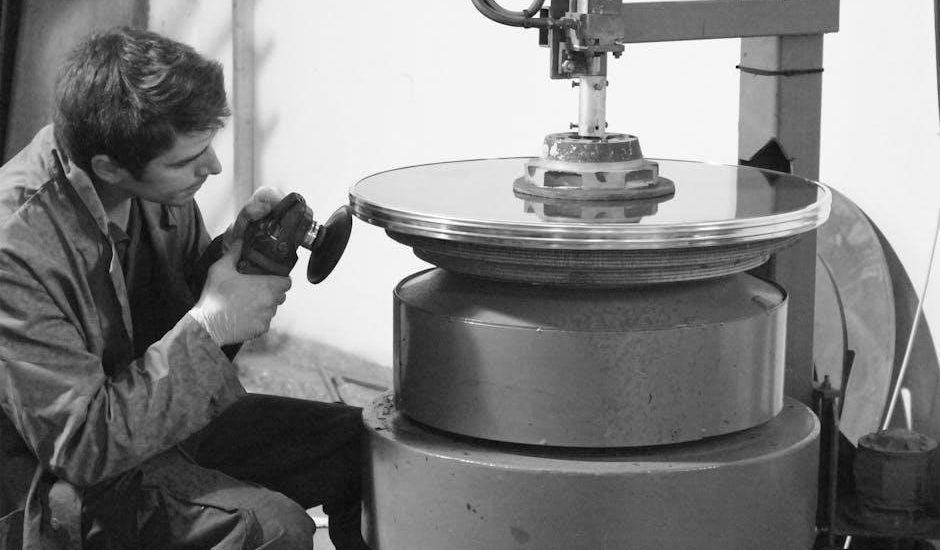
Manual machining relies on the skilled operator‚ utilizing hand-operated tools and machines – a craft where precision and expertise are paramount․
This field involves interpreting blueprints and skillfully shaping materials‚ often demanding a deep understanding of manual processes and equipment․
Automation’s rise highlights the enduring value of a manual machinist’s ability to handle unique tasks and maintain essential skills․
The role centers around operating machines like lathes‚ mills‚ and drills‚ demanding a hands-on approach to manufacturing and production․
What is a Manual Machinist?
A Manual Machinist is a skilled tradesperson specializing in metalworking and material removal using non-automated‚ hand-operated machine tools․ They are proficient in interpreting engineering drawings‚ utilizing precision measuring instruments‚ and executing machining operations like turning‚ milling‚ drilling‚ and grinding․
Unlike CNC machinists who program computers‚ manual machinists directly control the machine’s movements‚ relying on their experience and tactile feedback․ This requires a strong understanding of materials‚ cutting tools‚ and machining principles․
They often work on one-off projects‚ prototypes‚ repairs‚ or small production runs where flexibility and adaptability are crucial․ The role demands meticulous attention to detail and a commitment to producing high-quality parts․
The Role of Precision and Skill
Precision is paramount for a manual machinist; tolerances often require accuracy down to thousandths of an inch․ This demands honed skills in measurement‚ tool selection‚ and machine operation․ A machinist’s skill isn’t merely mechanical – it’s a blend of knowledge‚ experience‚ and a ‘feel’ for the material being worked․
Manual machining necessitates constant adjustments based on visual and tactile feedback‚ unlike automated processes․ The ability to diagnose and correct errors quickly is vital․
Furthermore‚ understanding blueprint reading and interpreting complex geometries are core competencies‚ ensuring parts meet exact specifications․
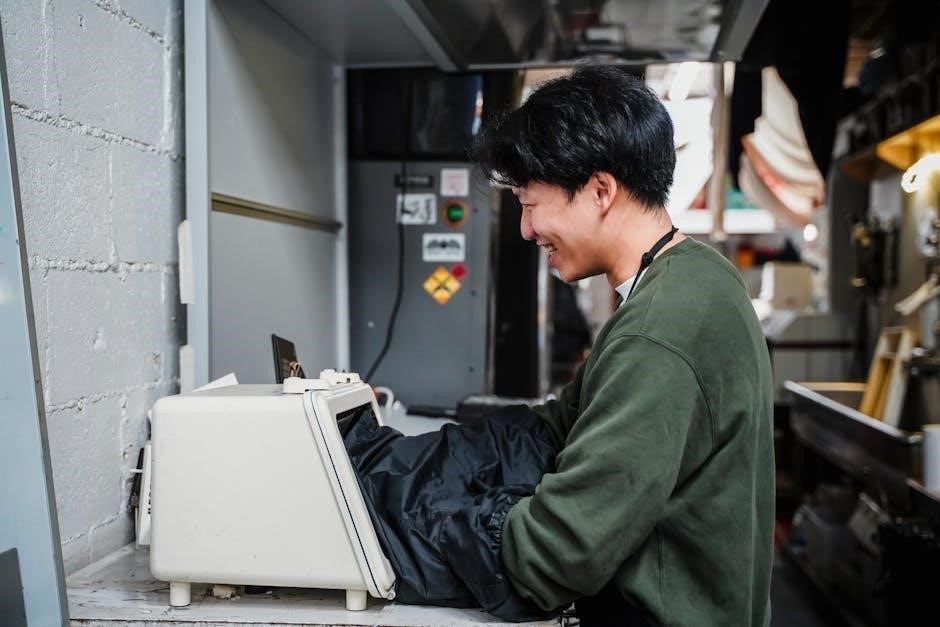
Essential Tools and Equipment
Manual machinists depend on lathes‚ milling machines‚ drills‚ and a comprehensive set of hand tools for precise material shaping and fabrication․
These tools are the foundation for creating components with accuracy and efficiency․
Lathes: Types and Operations
Lathes are fundamental to manual machinists‚ rotating a workpiece against cutting tools to create cylindrical shapes․ Engine lathes‚ the most common type‚ offer versatility for various operations․
Tool and cutter grinders‚ turret lathes‚ and specialty lathes cater to specific needs․
Key operations include facing‚ turning‚ threading‚ knurling‚ and drilling․
Facing creates flat surfaces‚ while turning reduces diameter․
Threading cuts helical grooves for fasteners․
Skilled machinists expertly manipulate handwheels and levers‚ controlling speed‚ feed‚ and depth of cut for precise results․
Proper setup and tool selection are crucial for achieving desired dimensions and surface finishes․
Milling Machines: Vertical and Horizontal
Milling machines‚ essential for manual machinists‚ remove material using rotating cutters․ Vertical mills feature a spindle oriented vertically‚ ideal for operations like face milling and slotting․
Horizontal mills have a horizontal spindle‚ suited for heavier cuts and complex shapes․
Manual operation demands precise control of table movement and cutter feed rates․
Common operations include face milling‚ slotting‚ profiling‚ and pocketing․
Machinists utilize various cutters – end mills‚ face mills‚ and shell mills – to achieve different geometries․
Understanding cutter geometry and speeds is vital for efficient material removal and accurate results․
Drilling Machines: Bench and Column
Drilling machines are fundamental tools for a manual machinist‚ creating holes in various materials․ Bench drills are smaller‚ versatile machines suitable for lighter tasks and smaller workpieces․
Column drills‚ larger and more robust‚ offer greater capacity and precision for heavier-duty drilling․
Manual operation requires careful control of drill speed and feed pressure․
Techniques include drilling‚ reaming‚ counterboring‚ and countersinking․
Selecting the correct drill bit for the material is crucial for achieving clean‚ accurate holes․
Understanding drill bit geometry and coolant usage enhances performance and tool life․
Hand Tools: Measuring and Cutting
A manual machinist relies heavily on precision hand tools for measuring and cutting․ Calipers and micrometers are essential for accurate dimensional checks‚ ensuring parts meet specifications․
Files‚ hacksaws‚ and chisels are used for manual material removal and finishing operations․
Taps and dies create threads‚ while reamers refine existing holes․
Proper tool selection and maintenance are vital for achieving quality results․
Understanding tool angles and cutting techniques maximizes efficiency and minimizes waste․
Sharpening tools regularly maintains their effectiveness and ensures clean cuts․

Core Machining Processes
Manual machinists expertly perform turning‚ milling‚ drilling‚ and boring – foundational processes shaping raw materials into precise components․
These techniques demand skill‚ precision‚ and a thorough understanding of material properties․
Mastering these core processes is crucial for producing high-quality parts and fulfilling diverse manufacturing needs․
Turning Operations: Facing‚ Turning‚ and Threading
Turning operations are fundamental to a manual machinist’s skillset‚ utilizing a lathe to remove material from a rotating workpiece․
Facing creates a flat surface perpendicular to the axis‚ while turning reduces the diameter of the workpiece along its length․
These processes require careful speed and feed rate adjustments‚ alongside precise tool positioning․
Threading‚ a more complex operation‚ cuts helical grooves to form screw threads‚ demanding accuracy and specialized tooling․
Manual thread cutting relies on the machinist’s ability to control the carriage and lead screw‚ ensuring consistent pitch and depth․
Skillful execution of these turning operations is vital for producing cylindrical parts with tight tolerances․
Milling Operations: Face Milling‚ Slotting‚ and Profiling
Milling operations‚ crucial for a manual machinist‚ employ rotating cutters to remove material from a workpiece secured in a milling machine․
Face milling creates flat surfaces‚ while slotting cuts grooves of specific widths and depths‚ requiring precise table movements and cutter selection․
Profiling involves creating complex shapes by guiding the workpiece along a desired path‚ demanding a high degree of manual control and skill․
The machinist must carefully manage cutting speeds‚ feed rates‚ and depth of cut to achieve accurate results and prevent tool breakage․
Understanding cutter geometry and material properties is essential for optimal performance․
Drilling and Reaming Techniques
For a manual machinist‚ mastering drilling and reaming is fundamental․ Drilling creates holes using rotating bits‚ requiring careful control of speed and pressure to achieve accurate size and location․
Techniques include center drilling to guide the bit and pecking to clear chips from deep holes․
Reaming precisely enlarges and finishes drilled holes to a specific dimension‚ demanding a smooth‚ controlled motion and appropriate cutting fluid․
Selecting the correct drill and reamer types for the material is crucial for quality and efficiency․
Accuracy relies on proper setup and consistent technique․
Boring and Counterboring
A skilled manual machinist utilizes boring to enlarge existing holes with precision‚ achieving accurate diameters and smooth finishes․ This process employs specialized boring bars and careful feed rates․
Counterboring creates a flat-bottomed enlargement at the top of a hole‚ accommodating countersunk fasteners or providing a seat for other components․
Both techniques demand precise setup‚ tool selection‚ and consistent operation on a lathe or milling machine․
Understanding cutting speeds and feeds is vital for optimal results and tool life․
Accuracy is paramount for proper fit and function․
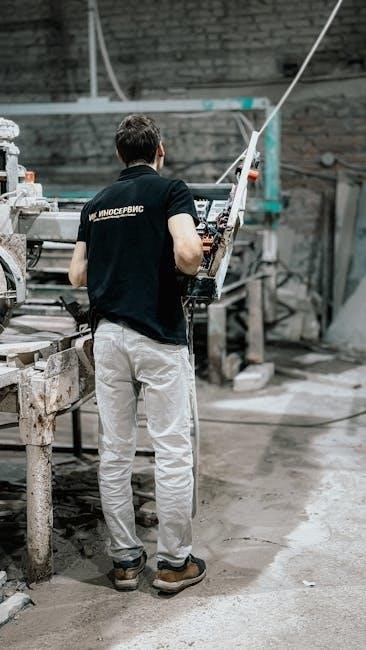
Materials Used in Manual Machining
Manual machinists expertly work with diverse materials – steel‚ aluminum‚ brass‚ and plastics – adapting techniques for each‚ ensuring optimal results and precision․
Material properties dictate cutting parameters and tool selection․
Working with Steel Alloys
Steel alloys represent a cornerstone of manual machining‚ demanding a thorough understanding of their varied properties․ Manual machinists frequently encounter carbon steels‚ alloy steels‚ and stainless steels‚ each presenting unique challenges․
Carbon content significantly impacts machinability; higher carbon steels are harder but more difficult to cut․ Alloy steels‚ containing elements like chromium and nickel‚ offer enhanced strength and wear resistance‚ requiring robust tooling․
Stainless steels‚ prized for corrosion resistance‚ can work-harden during machining‚ necessitating careful speed and feed rate adjustments․ Proper coolant selection is crucial for heat dissipation and tool life extension when working with these materials․
Successful steel machining relies on sharp tools‚ precise setups‚ and a machinist’s experience․
Machining Aluminum and Brass
Manual machinists often work with aluminum and brass‚ non-ferrous metals offering excellent machinability․ Aluminum‚ being soft‚ cuts easily but can load tool flutes‚ requiring higher cutting speeds and sharp tools․ Different aluminum alloys vary in machinability; some generate stringy chips‚ demanding effective chip evacuation․
Brass‚ another readily machinable metal‚ produces short‚ brittle chips․ However‚ brass can work-harden‚ necessitating appropriate cutting parameters to prevent tool wear․
Coolant selection is vital for both materials‚ preventing built-up edge formation and ensuring clean cuts․ A skilled machinist understands the nuances of each alloy‚ optimizing feeds and speeds for superior results․
Handling Plastics and Composites
Manual machinists face unique challenges when handling plastics and composites․ Unlike metals‚ these materials don’t exhibit the same “chip” formation; instead‚ they tend to smear or melt‚ requiring specialized tooling – often with highly polished flutes․
Sharp tools are crucial‚ but excessive cutting speed can cause heat buildup and material deformation․
Coolant is essential‚ but compatibility must be verified to avoid cracking or dissolving the material․ Composites‚ with their embedded fibers‚ can quickly dull tools‚ demanding frequent tool changes and careful feed rate control․
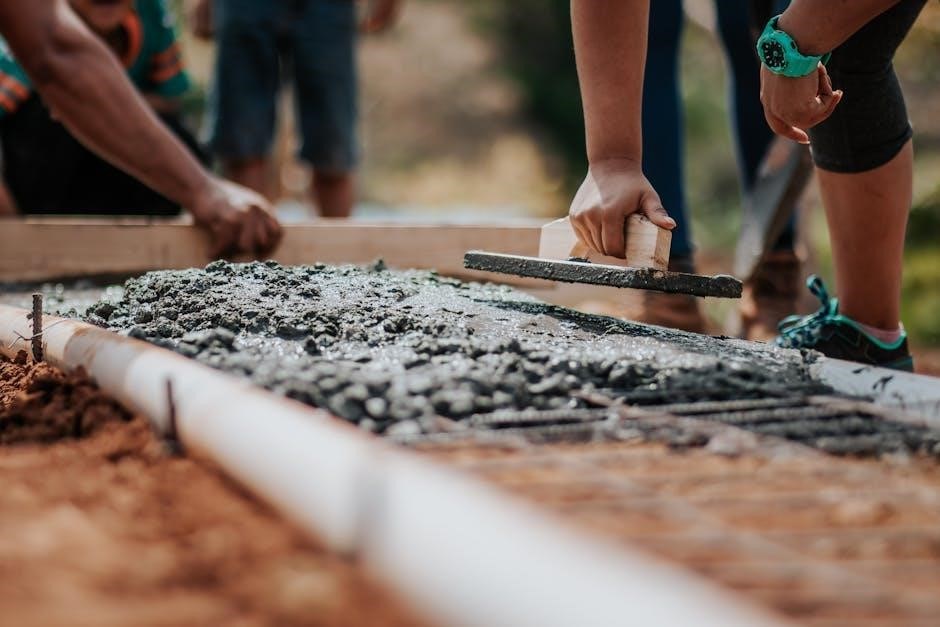
Measuring and Quality Control
Manual machinists rely on precision instruments – calipers‚ micrometers‚ and gauges – to verify dimensions and ensure parts meet specifications․
Understanding tolerance and fits is vital for producing accurate‚ functional components․
Rigorous inspection techniques guarantee quality and adherence to blueprint requirements․
Using Calipers‚ Micrometers‚ and Gauges
Manual machinists depend heavily on accurate measurement tools․ Calipers‚ available in dial‚ vernier‚ and digital formats‚ measure internal‚ external‚ and depth dimensions with reasonable precision․
Micrometers offer even greater accuracy‚ typically measuring to the thousandth of an inch‚ crucial for tight tolerances․
Different types – outside‚ inside‚ depth – cater to various measurement needs․
Gauges‚ like feeler gauges and snap gauges‚ quickly verify if a part falls within specified limits․ Proper calibration and careful reading are essential for reliable results․ Understanding the limitations of each tool and selecting the appropriate instrument for the job is a hallmark of a skilled machinist․
Understanding Tolerance and Fits
Manual machinists must deeply understand tolerance – the permissible variation in a dimension․ Blueprints specify tolerances‚ dictating acceptable deviations from the nominal size․
Fits define the degree of tightness or looseness between mating parts․ Interference fits require force for assembly‚ while clearance fits allow free movement․
Transition fits offer a combination of both․
Accurately interpreting these specifications is vital for functional assemblies․ A machinist’s skill lies in achieving the desired fit within the given tolerance‚ ensuring proper operation and interchangeability of components; Precision is paramount․
Inspection Techniques for Accuracy
Manual machinists employ various inspection techniques to verify part accuracy․ Visual inspection identifies obvious defects‚ while measurement tools confirm dimensional compliance․
Calipers and micrometers measure linear dimensions‚ while gauges check specific features․
Comparators offer high-precision measurement‚ and surface plates ensure flatness․
These techniques guarantee parts meet blueprint specifications․ Careful inspection identifies errors early‚ preventing costly rework or rejection․ A machinist’s commitment to quality control is crucial for producing reliable‚ functional components‚ upholding industry standards․

Safety Procedures in the Machine Shop
Manual machinists must prioritize safety‚ utilizing Personal Protective Equipment (PPE) like safety glasses and steel-toe boots․
Machine guarding and adherence to safe operating practices are essential for preventing injuries․
A safe shop environment ensures both operator well-being and the integrity of the machining process․
Personal Protective Equipment (PPE)
Manual machinists absolutely require comprehensive Personal Protective Equipment (PPE) to mitigate risks within the machine shop environment․
Essential items include safety glasses or face shields‚ protecting eyes from flying chips and debris generated during machining operations․
Sturdy‚ closed-toe shoes‚ preferably steel-toed‚ safeguard feet from dropped objects and potential impacts․
Hearing protection‚ such as earplugs or earmuffs‚ is crucial due to the often-high noise levels produced by machinery․
Appropriate work clothing‚ avoiding loose garments‚ prevents entanglement in moving parts․ Gloves‚ selected based on the task‚ offer hand protection‚ but must be used cautiously around rotating equipment․
Consistent and correct PPE usage is paramount for a safe working environment․
Machine Guarding and Safety Devices
Machine guarding is fundamental to safety for a manual machinist‚ preventing contact with moving parts․ Guards should be regularly inspected for damage and functionality․
Emergency stop buttons‚ strategically placed‚ allow for immediate machine shutdown in critical situations․
Light curtains and interlocks automatically halt operations when a safety zone is breached‚ safeguarding operators․
Properly functioning chuck guards on lathes prevent chips and workpieces from being ejected towards the operator․
Regular maintenance of these safety devices is vital‚ ensuring their reliability when needed․ Never bypass or disable safety features․
Adherence to these measures minimizes the risk of severe injuries․
Safe Operating Practices
Safe operating practices are paramount for a manual machinist‚ beginning with a thorough understanding of each machine’s operation․
Always wear appropriate Personal Protective Equipment (PPE)‚ including safety glasses and sturdy footwear․
Secure workpieces firmly before machining to prevent movement and potential hazards․
Never leave a running machine unattended; ensure it’s fully stopped before making adjustments․
Maintain a clean and organized workspace to eliminate tripping hazards and facilitate safe movement․
Avoid loose clothing and jewelry that could become entangled in machinery․
Report any malfunctions or safety concerns immediately to a supervisor․
Blueprint Reading and Interpretation
Manual machinists must expertly decode blueprints‚ understanding orthographic projections‚ dimensions‚ tolerances‚ and symbols․
This skill translates designs into physical parts‚ ensuring accuracy and adherence to specifications․
Recognizing notes and interpreting them correctly is crucial for successful machining operations․
Understanding Orthographic Projections
Orthographic projections are fundamental to manual machinists‚ representing a 3D object using 2D views – top‚ front‚ and right side – as standard practice․
These views‚ meticulously aligned‚ allow machinists to visualize the part’s complete geometry and dimensions without perspective distortion․
Understanding how features appear in each view is critical; hidden lines indicate unseen edges‚ while centerlines define symmetry․
Mastering this skill enables accurate interpretation of blueprints and precise execution of machining operations‚ ensuring the final product matches the design intent․
It’s a cornerstone of translating design into reality․
Decoding Dimensions and Tolerances
For a manual machinist‚ accurately decoding dimensions and tolerances on blueprints is paramount to successful manufacturing․ Dimensions specify size and location‚ while tolerances define acceptable variation․
Understanding these limits is crucial; exceeding them can render a part unusable‚ impacting functionality and assembly․
Machinists must interpret various tolerance schemes – plus/minus‚ limit‚ and geometric dimensioning and tolerancing (GD&T) – to ensure precision․
Selecting appropriate tools and techniques relies on this interpretation‚ guaranteeing parts meet specified requirements and quality standards․
Accuracy is non-negotiable․
Recognizing Symbols and Notes
A skilled manual machinist must be fluent in the “language” of engineering drawings‚ expertly recognizing symbols and notes․ These elements convey critical information beyond basic dimensions․
Symbols indicate surface finish‚ material specifications‚ welding details‚ and geometric controls – all vital for proper machining․
Notes provide additional instructions‚ clarifying specific requirements or processes․ Ignoring these details can lead to errors and costly rework․
Understanding standard symbols and interpreting notes accurately ensures the machinist produces parts precisely as designed‚ maintaining quality and functionality․
Attention to detail is key․
Job Opportunities and Career Paths
Manual machinists find entry-level roles in shops‚ progressing to specialized positions with experience․ Demand remains for skilled craftspeople‚ offering stable careers․
Advancement includes roles like lead machinist or shop foreman‚ requiring expertise and leadership skills․
Entry-Level Positions for Manual Machinists
Entry-level positions for aspiring manual machinists typically begin with roles like machine operator or apprentice․ These positions focus on learning the fundamentals of machine operation‚ safety protocols‚ and basic measurement techniques․
Apprenticeships‚ often through vocational schools or community colleges‚ provide structured on-the-job training combined with classroom instruction․ Machine operator roles involve setting up and running machines under supervision‚ gaining practical experience with various materials and processes․
Other common starting points include positions as shop assistants‚ where individuals support experienced machinists with tasks like material handling‚ cleaning‚ and basic tool maintenance․ These roles offer valuable exposure to the machine shop environment and provide opportunities to observe and learn from skilled professionals․
A strong work ethic‚ attention to detail‚ and a willingness to learn are crucial for success in these entry-level positions․
Advancement Opportunities and Specializations
Manual machinists can advance through experience and further training‚ leading to roles like lead machinist‚ setup machinist‚ or even shop supervisor․ Specializations include tool and die making‚ precision machining‚ and prototype development․
Becoming a setup machinist requires mastering the intricacies of machine programming and tooling selection․ Lead machinists oversee projects‚ mentor junior machinists‚ and ensure quality control․
Further education‚ such as certifications or associate degrees‚ can unlock opportunities in specialized areas like aerospace or medical device manufacturing․ Some machinists transition into roles involving CNC programming or machine design‚ blending traditional skills with modern technology․
Continuous learning and adaptability are key to career progression․
The Demand for Skilled Machinists
Despite advancements in CNC technology‚ a consistent demand exists for skilled manual machinists․ This stems from the need for specialized work‚ low-volume production runs‚ and prototype creation where manual machining excels․
Many industries‚ including aerospace‚ automotive‚ and medical‚ still rely on machinists capable of handling intricate and precise tasks․
The skills of a manual machinist – problem-solving‚ adaptability‚ and a deep understanding of materials – remain highly valuable․ A shortage of skilled tradespeople further fuels this demand‚ offering job security and competitive wages․
Maintaining these traditional skills is crucial for a robust manufacturing sector․

Training and Education
Manual machinist training encompasses vocational schools‚ community college programs‚ and apprenticeships‚ providing hands-on experience․
Certifications enhance skills and employability‚ while continuing education keeps pace with evolving industry standards․
Vocational Schools and Apprenticeships
Vocational schools offer focused‚ hands-on training in manual machining‚ quickly preparing individuals for entry-level positions․ These programs typically cover essential skills like blueprint reading‚ machine operation‚ and precision measurement․
Apprenticeships combine on-the-job training with classroom instruction‚ providing a more comprehensive learning experience under the guidance of experienced machinists․
Apprenticeships often lead to nationally recognized credentials and a smoother transition into the workforce․ Both routes emphasize practical application‚ ensuring graduates possess the skills employers seek․
The duration of these programs varies‚ but both vocational schools and apprenticeships are valuable pathways to a successful career as a manual machinist․
Community College Programs
Community colleges provide a balanced approach to manual machinist training‚ blending theoretical knowledge with practical skills development․ These programs often award associate degrees or certificates upon completion‚ enhancing career prospects․
Curricula typically include courses in machining fundamentals‚ CAD/CAM software‚ metallurgy‚ and quality control‚ offering a broader educational foundation․
Community college programs frequently feature well-equipped machine shops‚ allowing students ample opportunity to gain hands-on experience․
They also often facilitate internships‚ bridging the gap between classroom learning and real-world application‚ preparing graduates for immediate employment․
Certifications and Continuing Education
Certifications demonstrate a manual machinist’s competency and commitment to professional development‚ enhancing credibility with employers․ Organizations like the National Institute for Metalworking Skills (NIMS) offer widely recognized credentials․
Continuing education is crucial in a dynamic field‚ keeping machinists abreast of new technologies and techniques․ Workshops‚ online courses‚ and industry seminars provide valuable updates․
Staying current with advancements in materials‚ tooling‚ and precision measurement ensures sustained skill proficiency․
These efforts boost career advancement and adaptability within the evolving manufacturing landscape․

The Future of Manual Machining
Manual machinists will increasingly collaborate with CNC technology‚ requiring hybrid skills – blending traditional expertise with digital control proficiency for optimal results․
Adaptability and continuous learning are vital for sustained relevance in a changing industry․
The Integration of CNC Technology
CNC (Computer Numerical Control) machines are rapidly becoming integral to modern manufacturing‚ and the role of the manual machinist is evolving alongside this technological shift․
Rather than being replaced‚ skilled machinists are finding opportunities to integrate CNC operations into their workflow‚ enhancing precision and efficiency․
This often involves setting up CNC machines‚ overseeing their operation‚ and performing finishing work that requires the finesse of manual techniques․
Understanding CNC programming basics and being able to troubleshoot issues are becoming increasingly valuable skills for manual machinists seeking to remain competitive․
The future lies in a hybrid approach‚ leveraging the strengths of both manual skill and automated precision․
The Importance of Hybrid Skills
Manual machinists possessing a blend of traditional skills and modern technological knowledge are highly sought after in today’s manufacturing landscape․
This “hybrid skillset” encompasses proficiency in manual operations and familiarity with CNC programming‚ operation‚ and maintenance․
The ability to seamlessly transition between manual and automated processes allows for greater flexibility and problem-solving capabilities․
Understanding blueprint reading‚ precision measurement‚ and material science remains crucial‚ complemented by digital literacy and adaptability․
These combined competencies ensure machinists can thrive in an evolving industry‚ maximizing efficiency and quality․
Maintaining Relevance in a Changing Industry
Manual machinists can secure their future by embracing continuous learning and adapting to industry shifts‚ particularly the increasing integration of CNC technology․
Focusing on specialized skills – like intricate tooling‚ complex geometries‚ or niche materials – can differentiate a machinist in a competitive market․
Actively seeking training in CNC operation‚ programming‚ and maintenance expands career opportunities and demonstrates a commitment to professional development․
Networking within the industry‚ participating in workshops‚ and staying abreast of new technologies are also vital for long-term relevance․

Resources for Manual Machinists
Manual machinists benefit from online forums‚ industry associations‚ and readily available technical documentation – vital for skill enhancement and problem-solving․
Accessing manuals and guides‚ like those found on ManualLib․com‚ supports continuous learning and efficient troubleshooting․
Online Forums and Communities
Online forums and communities provide invaluable support networks for manual machinists of all skill levels․ These platforms facilitate knowledge sharing‚ troubleshooting assistance‚ and discussions on best practices․
Machinists can connect with peers‚ ask questions about specific challenges‚ and receive guidance from experienced professionals․
These digital spaces often host detailed threads on tooling‚ techniques‚ and machine maintenance‚ offering practical solutions to common problems․
Furthermore‚ forums serve as excellent resources for discovering new tools‚ learning about industry trends‚ and staying updated on advancements in manual machining․
They foster a collaborative environment where machinists can expand their expertise and contribute to the collective knowledge base․
Industry Associations and Organizations
Industry associations and organizations play a crucial role in supporting manual machinists and promoting the trade․ These groups offer valuable resources‚ networking opportunities‚ and advocacy for skilled trades․
Membership often provides access to training programs‚ certifications‚ and industry events‚ enhancing professional development․
Associations actively lobby for policies that support manufacturing and workforce development‚ ensuring the continued viability of manual machining․
They also provide a platform for machinists to connect with potential employers and stay informed about job opportunities․
These organizations champion the importance of skilled craftsmanship and contribute to the advancement of the machining profession․
Manuals and Technical Documentation
Manuals and technical documentation are indispensable resources for manual machinists‚ providing critical information for operating and maintaining equipment․ Accessing original manufacturer guides is vital for safe and efficient operation․
These documents detail machine specifications‚ setup procedures‚ troubleshooting steps‚ and preventative maintenance schedules․
Online libraries‚ like ManualLib․com‚ offer extensive collections of downloadable manuals‚ aiding in repair and understanding complex machinery․
Understanding these resources ensures precision‚ minimizes downtime‚ and promotes a safe working environment․
Proper documentation is key to mastering the craft and maintaining high-quality machining standards․