
Crock-Pot Original Slow Cooker Manual: A Comprehensive Guide
Welcome! This guide details the Crock-Pot experience, covering models like the SCV500-SS and larger 7-quart options. Explore recipes, safety, and support resources today!
Understanding Your Crock-Pot
Your Crock-Pot is a versatile kitchen appliance designed for convenient, flavorful cooking. It utilizes a slow, consistent heat source to tenderize meats, meld flavors, and create delicious meals with minimal effort. Whether you’ve acquired a 5-quart stainless steel model like the SCV500-SS, or a larger 7-quart version, the core principles remain the same.
Crock-Pots excel at “set it and forget it” cooking, freeing you from constant monitoring. They are ideal for busy lifestyles, allowing you to prepare meals in advance; Understanding the different components – the base, stoneware insert, and lid – is crucial for optimal performance.
Modern Crock-Pots, including the Smart Pot referenced in online discussions, often feature digital controls and programmable timers. However, many classic models, like those available on eBay and Amazon, offer simple manual operation. Regardless of the model, accessing the official Crock-Pot customer service website (crockpot.com) provides access to manuals and replacement parts.
Identifying Your Model Number
Locating your Crock-Pot’s model number is essential for accessing the correct user manual, troubleshooting assistance, and replacement parts. The model number is typically found on a sticker or plate affixed to the bottom of the appliance’s base. Common models include the SCV500-SS (a 5-quart stainless steel option) and the SCVPE600-CN, as noted in online resources like Fixya and eBay listings.
Carefully inspect the underside of the unit; the sticker may be small and discreet. If you purchased the Crock-Pot second-hand, as discussed on Reddit’s r/slowcooking forum, identifying the model number is particularly important.
Once you have the number, visit the Crock-Pot website (crockpot.com/customerservice) to download the corresponding manual in PDF format. Knowing your model ensures you have accurate instructions specific to your appliance’s features and capabilities, maximizing your slow cooking experience.
Key Components of a Crock-Pot
A typical Crock-Pot consists of several key components working in harmony to deliver convenient slow cooking. The base houses the heating element and control panel, managing temperature settings like Low, High, and Warm. The removable stoneware crock is where the magic happens – it safely holds your ingredients during the extended cooking process.
The lid, often glass, creates a sealed environment, trapping moisture and heat. As noted in various online listings (Amazon, Walmart, eBay), many models feature a stainless steel exterior for durability and style. Some, like the SCV500-SS, boast a sleek silver finish.
Understanding these parts – base, crock, lid, and controls – is crucial for proper operation and maintenance. Regular cleaning and careful handling of the stoneware crock will ensure years of reliable performance, allowing you to create countless delicious meals.
Safety Precautions
Prioritize safety when using your Crock-Pot! Always ensure the unit is placed on a stable, heat-resistant surface, away from flammable materials. Never immerse the base in water or other liquids; electrical shock is a serious hazard. Use oven mitts when handling the hot stoneware crock and lid – they retain significant heat even after cooking.
Avoid using extension cords if possible; if necessary, ensure it’s rated for the appliance’s wattage. Never operate the Crock-Pot with a damaged cord or plug. Be cautious of steam when opening the lid, as it can cause burns.
Do not attempt to repair the Crock-Pot yourself; contact qualified service personnel for assistance. Supervise children when the appliance is in use. Following these precautions will help ensure a safe and enjoyable slow cooking experience.
Getting Started: First-Time Use
Welcome to the world of slow cooking! Before your inaugural meal, unpack your Crock-Pot and remove all packaging materials. Wash the stoneware crock and lid in warm, soapy water – both are often dishwasher safe (check your model’s manual for confirmation). Wipe the exterior of the base with a damp cloth; never immerse it in water.
Familiarize yourself with the control panel and heat settings (Low, High, Warm). It’s a good idea to do a “burn-in” cook – add water to the crock, set it on High for 1-2 hours, then discard the water. This helps eliminate any manufacturing odors.
Refer to the cooking times and temperature guide for appropriate settings. Now you’re ready to create delicious, effortless meals!
Preparing the Slow Cooker for Use
Ensuring optimal performance begins with proper preparation. Begin by placing your Crock-Pot on a stable, heat-resistant surface, away from flammable materials. Ensure the stoneware crock is seated correctly within the outer housing. A snug fit is crucial for even heating.
Before adding ingredients, consider lightly greasing the crock, especially when cooking foods prone to sticking. This simplifies cleanup; For recipes requiring browning of meat, it’s recommended to do so in a separate pan, as the slow cooker doesn’t typically achieve high enough temperatures for effective searing.
Always check that the lid fits securely, creating a sealed environment for efficient slow cooking. Now, you’re ready to embark on a culinary journey!
Understanding Heat Settings: Low, High, Warm
Crock-Pot slow cookers typically offer three heat settings: Low, High, and Warm. The Low setting is ideal for 6-8 hour cooking, gently simmering ingredients for tender results. It maintains a temperature around 170-200°F (77-93°C).
The High setting accelerates cooking, generally taking 3-4 hours. It operates at approximately 280-300°F (138-149°C). Use this for quicker meals or when you’re short on time. Remember, cooking times are estimates and can vary based on ingredient quantities.
The Warm setting, as the name suggests, maintains food at a safe serving temperature without further cooking. It’s perfect for keeping dishes warm until ready to serve, but isn’t intended for prolonged holding – typically no more than 2 hours.
Cooking Times and Temperature Guide
Estimating cooking times is crucial for slow cooker success. Generally, recipes designed for 8-hour low cooking can be converted to 4-hour high cooking, but adjustments are often needed. Beef chuck, for example, benefits from 6-8 hours on low, reaching a tender, fall-apart consistency.
Poultry typically requires 4-6 hours on low or 2-3 hours on high. Root vegetables like potatoes and carrots need 4-6 hours on low or 2-3 hours on high to become tender. Beans, especially dried beans, require longer cooking times – 6-8 hours on low, even after soaking.
Remember, these are guidelines. Internal temperature is the best indicator of doneness; use a meat thermometer to ensure food safety. Low settings generally maintain 170-200°F, while high settings reach 280-300°F.
Basic Cooking Functions
The core function of your Crock-Pot is slow, moist-heat cooking. This method excels at tenderizing tougher cuts of meat and melding flavors over extended periods. Unlike rapid cooking methods, slow cooking breaks down connective tissues, resulting in incredibly tender results;
Your Crock-Pot operates primarily through three settings: Low, High, and Warm. Low provides gentle, all-day cooking, ideal for busy schedules. High offers faster cooking, suitable when you need a meal prepared in a shorter timeframe. The Warm setting maintains food temperature after cooking is complete, preventing spoilage.
These functions are remarkably versatile, capable of handling soups, stews, roasts, casseroles, and even desserts. The sealed environment minimizes moisture loss, keeping food flavorful and succulent.
Adding Ingredients: Liquids, Meats, Vegetables
Layering ingredients correctly is key to successful slow cooking. Begin with meats at the bottom, as they require the longest cooking time. For optimal flavor and texture, consider searing meats before adding them to the Crock-Pot – this isn’t essential, but enhances results.
Next, add vegetables that require longer cooking times, like potatoes and carrots, around the meat. More delicate vegetables, such as broccoli or spinach, should be added later in the cooking process to prevent them from becoming mushy.
Liquids – broth, water, sauces – are crucial for creating the moist environment. Ensure the liquid covers at least half of the ingredients, but avoid overfilling. Remember, minimal evaporation occurs during slow cooking, so less liquid is often needed than in traditional recipes.
Lid Usage and Condensation
Maintaining a sealed lid is vital for efficient slow cooking. Avoid lifting the lid unnecessarily during the cooking process, as each lift releases heat and extends cooking time – potentially by 20-30 minutes per lift! The lid traps moisture, creating the steamy environment essential for tenderizing meats and melding flavors.
Condensation will naturally form on the underside of the lid and drip back into the pot. This is perfectly normal and contributes to the moist cooking process. However, excessive condensation can sometimes dilute flavors.
If you notice significant liquid buildup, briefly vent the lid towards the back of the cooker during the last 30-60 minutes of cooking to allow some steam to escape. Always handle the lid with care, as it will be hot!
Preventing Boil-Over
Boil-overs can be messy and disrupt the cooking process. To minimize this risk, avoid overfilling your Crock-Pot. Generally, do not fill it more than two-thirds full, especially when cooking foods that expand during cooking, like beans or grains.
When preparing recipes with high liquid content, such as soups or stews, reduce the liquid amount slightly. The slow cooker’s sealed environment retains moisture effectively. Adding a tablespoon of vegetable oil to the pot before adding ingredients can also help prevent sticking and reduce foaming.
Stirring ingredients well at the beginning of the cooking process ensures even heat distribution and reduces the likelihood of sticking and subsequent boil-overs. Monitor the cooker during the initial heating phase to ensure it isn’t bubbling excessively.
Cleaning and Maintenance
Regular cleaning ensures your Crock-Pot’s longevity and hygiene. Always unplug the unit and allow it to cool completely before cleaning. The stoneware insert and glass lid are often dishwasher safe, but check your model’s specific instructions – some recommend hand washing to preserve their finish.
For stubborn food residue, soak the stoneware insert in warm, soapy water. Avoid abrasive cleaners or scouring pads, as they can damage the surface. The exterior of the slow cooker can be wiped clean with a damp cloth. Never immerse the base in water or any other liquid.
Proper maintenance extends the life of your appliance. Inspect the cord regularly for damage and address any issues promptly. Consistent care guarantees many years of delicious, slow-cooked meals!
Hand Washing vs. Dishwasher Safe Parts
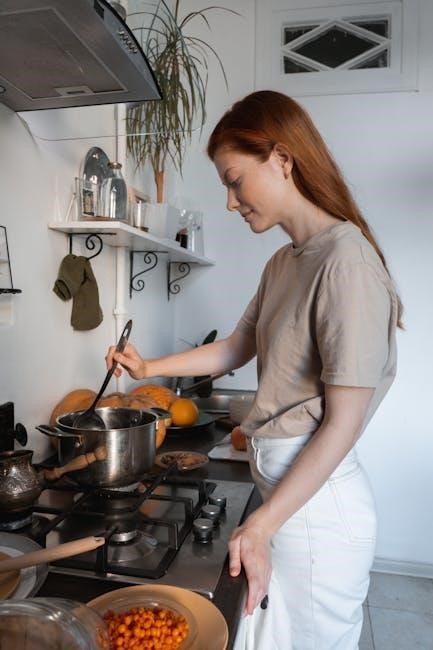
Determining the best cleaning method for your Crock-Pot components is crucial. While many newer models boast dishwasher-safe stoneware inserts and glass lids, always consult your specific model’s manual for confirmation. Frequent dishwasher use can, over time, dull the finish of the stoneware.
Hand washing, using warm soapy water and a non-abrasive sponge, is generally recommended for preserving the longevity and appearance of these parts. The exterior of the slow cooker base should always be hand-washed with a damp cloth – never submerged in water.
For delicate patterns or metallic accents, hand washing is the safest option. Prioritizing gentle cleaning methods ensures your Crock-Pot remains a reliable kitchen companion for years to come.
Removing Food Odors
Lingering food odors within your Crock-Pot are common, but easily addressed. A simple solution involves filling the stoneware insert with water and adding a few tablespoons of baking soda. Allow this mixture to sit for several hours, or even overnight, before emptying and washing as usual.
For more stubborn odors, try simmering a solution of water and lemon slices for approximately 30 minutes. The citrus scent will help neutralize unwanted smells. Ensure the unit is unplugged during this process.

Thorough cleaning immediately after use is the best preventative measure; Avoid abrasive cleaners, as they can trap odors within the stoneware’s porous surface. Proper care maintains a fresh-smelling cooking experience.
Storage Instructions
Proper storage extends the life of your Crock-Pot and keeps it ready for your next culinary creation. Before storing, ensure the unit is completely cool and dry. The stoneware insert and glass lid can be stored inside the appliance body to save space, but avoid placing heavy items on top of the lid.
It’s recommended to store the Crock-Pot in a clean, dry location, away from direct sunlight and extreme temperatures. Avoid storing it in damp areas, as this can lead to corrosion.
If you won’t be using the slow cooker for an extended period, consider storing it in its original packaging to protect it from dust and potential damage. Careful storage ensures years of reliable performance.
Troubleshooting Common Issues
Encountering problems? Here’s a quick guide to resolving typical Crock-Pot issues. If your slow cooker isn’t heating, verify the outlet is functioning and the unit is properly plugged in. A lid that doesn’t fit correctly might indicate debris obstructing the rim – clean both lid and cooker thoroughly.
For replacement parts, visit Crock-Pot’s customer service website (crockpot.com/customerservice) where you can find components like stoneware inserts and lids. If issues persist, consult the online manual (crockpot.com/manuals/38601-C_English.pdf) for detailed guidance.
Remember to always prioritize safety and disconnect the appliance before attempting any repairs. Online forums, like r/slowcooking on Reddit, can also offer community-based solutions to common problems.
Slow Cooker Not Heating
Is your Crock-Pot failing to warm up? First, ensure the unit is securely plugged into a working electrical outlet. Test the outlet with another appliance to confirm it’s providing power. Double-check that the slow cooker is switched on and the desired heat setting (Low, High, or Warm) is selected.
Verify the lid is properly positioned; some models have safety mechanisms preventing operation without a secure lid. If the issue continues, inspect the power cord for any visible damage. Do not attempt to repair the cord yourself – contact customer support;
Refer to the official Crock-Pot manual (crockpot.com/manuals/38601-C_English.pdf) for specific troubleshooting steps related to your model. A faulty heating element may require professional repair or replacement.
Lid Not Fitting Properly
Experiencing issues with your Crock-Pot lid? A snug fit is crucial for maintaining consistent temperatures and preventing heat loss. First, ensure there are no food particles or debris obstructing the rim of the stoneware insert or the underside of the lid. Clean both surfaces thoroughly.
Check for any visible cracks or damage to either the lid or the stoneware. Damage can distort the shape and prevent a proper seal. Confirm you are using the correct lid for your specific Crock-Pot model – different sizes and shapes exist.
If the lid still doesn’t fit, consult the user manual (available at crockpot.com/manuals/38601-C_English.pdf) for diagrams and troubleshooting tips. A warped lid may require replacement; explore options on the Crock-Pot website or through retailers like eBay.
Finding Replacement Parts
Need to replace a component for your Crock-Pot? Crock-Pot offers a dedicated customer service portal at crockpot.com/customerservice.aspx. Here, you can often find replacement parts directly, including stoneware inserts, lids, and heating elements.
Specifically, the website lists replacement parts, with the 6th item frequently being a common request. Retailers like eBay also offer a wide selection of new and used Crock-Pot parts, providing competitive pricing and diverse options. When searching, ensure you have your model number handy for compatibility.
For older or discontinued models, finding parts might require more searching. Consider contacting Crock-Pot customer support directly for assistance. Always verify the part number before purchasing to guarantee a proper fit and function.
Recipe Ideas for Your Crock-Pot
Unlock a world of culinary possibilities! Your Crock-Pot is incredibly versatile, capable of creating a wealth of delicious and nutritious meals. From hearty stews and tender roasts to flavorful soups and comforting casseroles, the options are endless.
Explore both traditional and modern recipes. Consider classic slow-cooked beef recipes, or venture into vegetarian and vegan dishes. The slow cooking process tenderizes tougher cuts of meat and allows flavors to meld beautifully.
Online resources abound with Crock-Pot recipe inspiration. Websites and communities like Reddit’s r/slowcooking offer a vibrant exchange of ideas and tried-and-true recipes. Don’t be afraid to experiment and adapt recipes to your preferences!
Popular Crock-Pot Recipes
Discover time-tested favorites! Many recipes consistently rank as popular choices for Crock-Pot cooking, offering both ease and incredible flavor. Classic pot roast, with its fall-apart tender beef and savory gravy, is a perennial crowd-pleaser.
Slow cooker chili, brimming with beans, tomatoes, and spices, is perfect for game days or cozy weeknights. Pulled pork, ideal for sandwiches or tacos, benefits from hours of low and slow cooking. Chicken noodle soup, a comforting staple, is simplified in the Crock-Pot.
Beyond these classics, explore recipes like mac and cheese, lasagna, and even desserts! Online communities frequently share their go-to recipes, providing variations and helpful tips. Embrace the convenience and deliciousness of these popular choices!
Vegetarian and Vegan Slow Cooking
Expand your culinary horizons! Crock-Pots aren’t just for meat-based dishes; they excel at vegetarian and vegan cuisine. Hearty lentil soups and stews become incredibly flavorful with extended simmering. Vegetable curries, infused with aromatic spices, are simplified and delicious.
Vegan chili, packed with beans, vegetables, and plant-based protein, is a satisfying and nutritious meal. Consider recipes featuring chickpeas, sweet potatoes, or butternut squash for naturally sweet and savory options. Slow cooking allows flavors to meld beautifully, creating depth and complexity.
Experiment with plant-based proteins like tofu or tempeh, ensuring they are added later in the cooking process to prevent them from becoming overly soft. Explore online resources for dedicated vegetarian and vegan slow cooker recipes!
Resources and Support
Need assistance with your Crock-Pot? Crock-Pot offers extensive online support at www.crockpot.com/customerservice.aspx. Here, you can find frequently asked questions, troubleshooting guides, and downloadable manuals for various models, including the SCV500.
For replacement parts – like lids or stoneware inserts – the website provides a dedicated section. The Fixya link (http://www.crockpot.com/manuals/38601-C_English.pdf) offers direct access to specific model manuals.
Reddit’s r/slowcooking community is a valuable resource for tips, recipes, and troubleshooting advice from fellow Crock-Pot enthusiasts. Don’t hesitate to reach out to their helpful community! Amazon and eBay also provide access to manuals and parts from various sellers.