
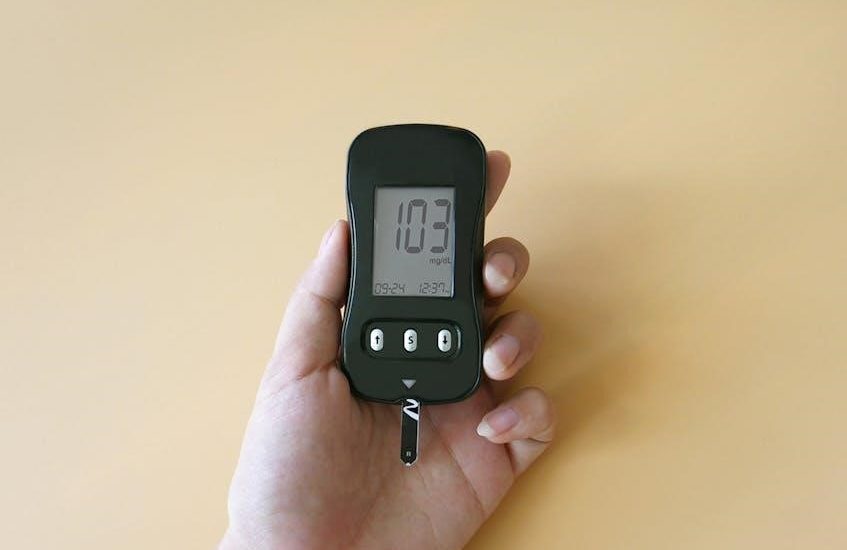
Understanding Portion Sizes for Diabetics
Navigating diabetes requires a holistic approach, and understanding appropriate food portions is crucial for effective blood sugar management and overall well-being.
What is Diabetes and Why Portion Control Matters
Diabetes, a chronic metabolic disorder, impacts how your body regulates blood sugar. Whether Type 1, Type 2, or gestational, managing glucose levels is paramount. For those with diabetes, the body either doesn’t produce enough insulin, or cells become resistant to it, leading to elevated blood sugar.
Portion control is vital because the amount of food consumed directly influences blood glucose. Overeating, even healthy foods, can cause spikes. Strategic food intake, alongside medication and exercise, forms a cornerstone of diabetes management. Understanding serving sizes empowers individuals to make informed choices, preventing hyperglycemia and promoting stable energy levels. It’s a key piece of the puzzle for a healthier life.
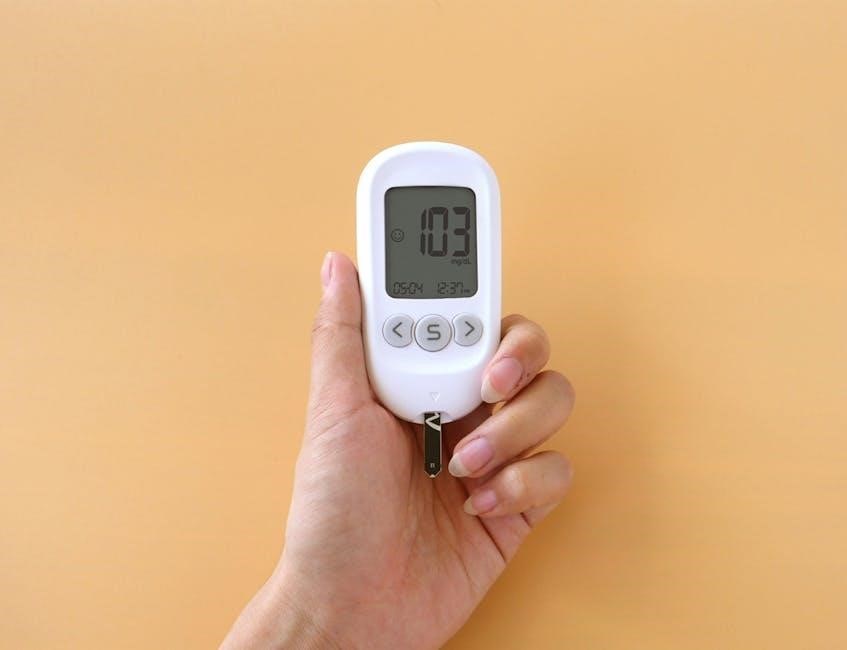
The Impact of Food on Blood Sugar Levels
Food profoundly affects blood glucose; what and how much you eat dictates the response, making mindful consumption essential for diabetic health.
How Different Foods Affect Glucose
Different food groups trigger varying blood sugar responses. Carbohydrates, especially refined grains and sugary drinks, cause the most rapid glucose spikes due to their quick digestion. Proteins and fats generally have a slower, more moderate impact, promoting satiety and stabilizing blood sugar levels.
Fiber-rich foods, like vegetables and whole grains, slow down glucose absorption, leading to a gentler rise. Understanding these effects is vital for portion control. Overeating any food, even healthy options, can elevate blood sugar.
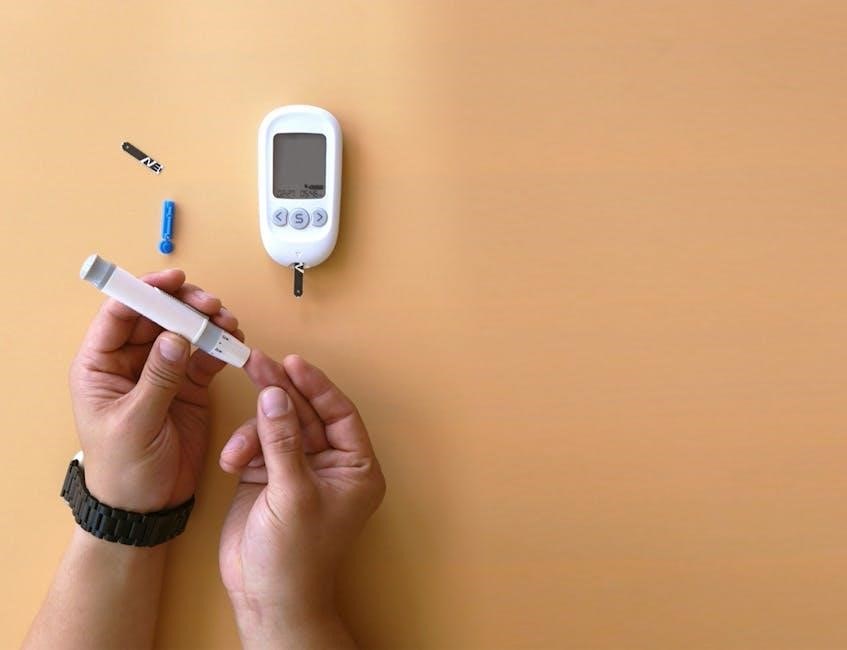
Therefore, balancing meals with appropriate portions of protein, fats, and complex carbohydrates is key. Paying attention to serving sizes helps prevent overconsumption and supports consistent glucose management, a cornerstone of diabetes care.
Glycemic Index and Glycemic Load Explained
The Glycemic Index (GI) ranks carbohydrates based on how quickly they raise blood glucose levels, with higher GI foods causing faster spikes. However, GI doesn’t account for portion size. This is where Glycemic Load (GL) comes in – it considers both the GI and the amount of carbohydrate in a serving.
A food with a high GI but small portion size might have a low GL, making it a more manageable choice. Focusing on GL provides a more realistic picture of a food’s impact on blood sugar.
Prioritizing foods with lower GL values, alongside mindful portion control, is a powerful strategy for diabetics to maintain stable glucose levels and improve overall health.

Recommended Portion Sizes for Key Food Groups
Balancing meals with appropriate portions of proteins, carbohydrates, and fats is essential for diabetics, supporting stable blood sugar and optimal health.
Proteins: Meat, Poultry, Fish & Alternatives
Prioritizing lean protein sources is vital for individuals managing diabetes. A recommended serving size typically ranges from 3 to 4 ounces (85-113 grams) of cooked meat, poultry, or fish. This amount provides essential amino acids without significantly impacting blood glucose levels.
When selecting meats, opt for lean cuts like sirloin, tenderloin, or skinless poultry breast. Fish, particularly fatty fish rich in omega-3 fatty acids like salmon and tuna, are excellent choices. Alternatives such as beans, lentils, tofu, and tempeh also contribute valuable protein and fiber.
Portion control is key; using a deck-of-cards visual can help estimate a 3-4 ounce serving. Remember to prepare proteins using healthy methods like baking, grilling, or broiling, avoiding added fats and sugars.
Carbohydrates: Grains, Fruits & Vegetables
Carbohydrates significantly impact blood sugar, making portion control essential for diabetics. Aim for consistent carbohydrate intake at each meal. A typical serving of grains, like brown rice or quinoa, is about ½ cup cooked. Whole grains are preferred over refined grains due to their higher fiber content.
Fruits offer vital nutrients but contain natural sugars; a small piece of fruit (like an apple or orange) or ½ cup of berries constitutes a serving. Non-starchy vegetables – broccoli, spinach, salad greens – can be enjoyed more freely, aiming for at least 1-2 cups per meal.
Starchy vegetables, such as potatoes and corn, should be portioned similarly to grains. Prioritize fiber-rich options to slow glucose absorption.
Fats: Healthy Fats vs. Unhealthy Fats
While fats are essential, the type and amount matter greatly for diabetics; Prioritize unsaturated fats – monounsaturated and polyunsaturated – found in avocados, nuts, seeds, olive oil, and fatty fish. These support heart health, a key concern for those with diabetes.
Limit saturated and trans fats, prevalent in red meat, processed foods, and fried items, as they can worsen insulin resistance and increase cardiovascular risk. A serving size of healthy fat is typically 1-2 tablespoons or a small handful of nuts.
Remember, fats are calorie-dense, so moderation is key. Incorporate them mindfully into a balanced meal plan.

Practical Tips for Managing Portion Sizes
Consistent use of measuring tools, the plate method, and mindful eating habits are essential strategies for diabetics to control their food intake effectively.
Using Measuring Cups and Scales
Accurately gauging portion sizes is paramount for individuals managing diabetes, and relying on visual estimations can often be misleading. Investing in a set of measuring cups and a food scale provides a precise method for determining appropriate servings.
For dry goods like rice, pasta, and cereals, measuring cups ensure consistency. When dealing with proteins like meat, poultry, or fish, a food scale offers the most accurate measurement in ounces or grams.
Regularly using these tools helps build a better understanding of what a correct portion actually looks like, even without the devices. This practice is especially helpful when preparing meals at home, ensuring adherence to a diabetic-friendly eating plan. Don’t hesitate to pre-portion snacks into individual containers to avoid overconsumption.

Plate Method for Balanced Meals
The Plate Method offers a simple, visual approach to creating balanced meals, ideal for individuals with diabetes seeking portion control. Imagine a 9-inch plate and divide it mentally into three sections.
Fill half the plate with non-starchy vegetables – think leafy greens, broccoli, carrots, or peppers. These are low in carbohydrates and high in fiber, promoting fullness. Dedicate one quarter of the plate to lean protein sources like chicken, fish, beans, or tofu.
The final quarter should be reserved for carbohydrate-rich foods, such as whole grains, fruits, or starchy vegetables. This method ensures a balanced intake of nutrients, aiding in blood sugar management and promoting healthy eating habits.
Mindful Eating Techniques
Mindful eating encourages a focused awareness of the eating experience, helping to control portions and improve overall dietary habits for those managing diabetes.
Begin by eliminating distractions – turn off the TV and put away your phone. Pay attention to the colors, smells, and textures of your food. Eat slowly, savoring each bite and chewing thoroughly. This allows your brain time to register fullness signals.
Before reaching for seconds, pause and assess your hunger level. Are you truly still hungry, or are you eating out of habit or emotion? Recognizing these cues is vital. Practicing gratitude for your meal can also foster a healthier relationship with food, supporting portion control and well-being.

Dining Out with Diabetes: Portion Control Strategies
Enjoying restaurant meals with diabetes requires proactive strategies, like requesting smaller portions or sharing dishes, to maintain blood sugar control effectively.
Requesting Smaller Portions
Don’t hesitate to ask your server for a smaller portion size when dining out. Many restaurants are accustomed to accommodating dietary needs and are willing to adjust serving sizes upon request. Alternatively, consider ordering an appetizer as your main course, or sharing an entrée with a companion.
Before the food arrives, you can also immediately box up half of your meal to take home, effectively controlling your portion from the start. This proactive approach prevents overeating and helps maintain stable blood sugar levels. Remember, it’s perfectly acceptable to prioritize your health and request modifications to ensure a balanced meal. Communicating your needs clearly is key to successful dining with diabetes.
Sharing Meals or Taking Leftovers
A practical strategy for portion control when eating out is to share a meal with a friend or family member. This immediately halves your intake, making it easier to manage carbohydrate and calorie consumption. If sharing isn’t an option, proactively request a takeaway container with your meal.
Immediately portion out half of your plate into the container before you begin eating, ensuring you only consume a reasonable serving size. Leftovers provide a convenient and controlled meal for another day. This mindful approach minimizes food waste and supports consistent blood sugar management. Remember, planning ahead and utilizing leftovers are valuable tools for successful diabetic meal planning.
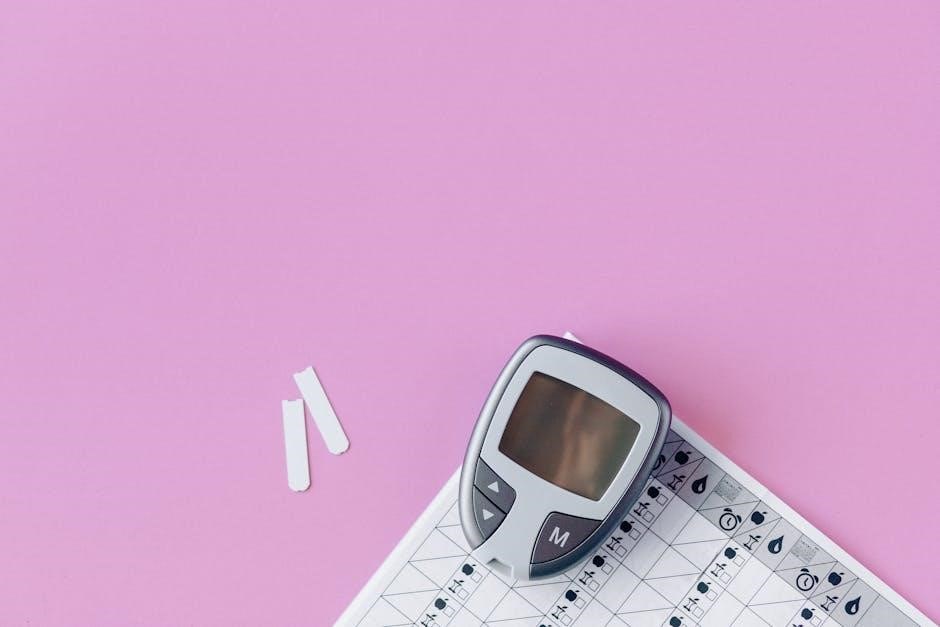
Resources for Diabetic Meal Planning & Portion Control (PDFs)
Numerous organizations offer downloadable guides and resources, including portion control charts and meal planning templates, to support diabetic health management.
Links to Reputable Diabetic Associations
Accessing reliable information is paramount when managing diabetes, and several organizations provide excellent resources regarding portion control and meal planning. The American Diabetes Association (ADA) – diabetes.org – offers comprehensive guides, recipes, and educational materials, often available as downloadable PDFs.
The National Institute of Diabetes and Digestive and Kidney Diseases (NIDDK) – niddk.nih.gov – provides research-backed information and practical tools for healthy eating. Additionally, the Diabetes UK website – diabetes.org.uk – features helpful resources tailored for individuals living with diabetes.
These associations frequently offer printable portion size guides and meal planning templates in PDF format, simplifying the process of creating balanced and controlled meals. Exploring these links will empower you with the knowledge and tools needed for effective diabetes management.
Free Printable Portion Control Guides
Numerous websites offer free, downloadable portion control guides specifically designed for individuals with diabetes, simplifying meal planning and adherence to dietary recommendations. The ADA provides visual aids, like plate method diagrams, in PDF format, illustrating ideal meal compositions.
Many registered dietitians and certified diabetes educators also share printable handouts detailing appropriate serving sizes for various food groups. Searching online for “diabetes portion control guide PDF” yields a wealth of resources, including charts and checklists.
These guides often categorize foods and specify portion sizes using common household measurements, making implementation easier. Utilizing these readily available tools can significantly enhance your ability to manage blood sugar levels and maintain a healthy lifestyle.
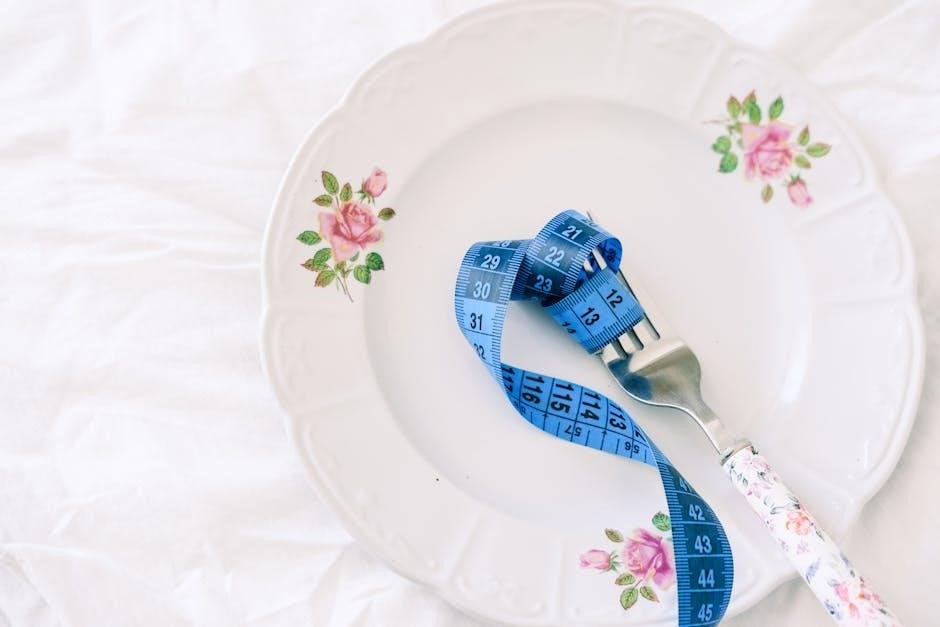
Long-Term Benefits of Consistent Portion Control
Consistent portion control empowers diabetics to achieve stable blood sugar, promote healthy weight, and significantly improve overall health and quality of life.
Improved Blood Sugar Management
Maintaining consistent portion sizes is fundamentally linked to better blood glucose control for individuals with diabetes. By carefully managing how much food is consumed at each meal, fluctuations in blood sugar levels can be minimized. This proactive approach reduces the risk of hyperglycemia (high blood sugar) and hypoglycemia (low blood sugar), both of which can lead to short-term discomfort and long-term health complications;
When portions are consistently monitored, the body can more effectively utilize insulin, whether it’s naturally produced or administered through medication. This improved insulin sensitivity contributes to a more stable glycemic response. Furthermore, predictable blood sugar levels empower individuals to actively participate in their diabetes management, fostering a sense of control and well-being. Consistent portioning is a cornerstone of a successful diabetes care plan.
Weight Management and Overall Health
Effective portion control isn’t solely about diabetes management; it’s a vital component of achieving and maintaining a healthy weight. For many with type 2 diabetes, weight loss can significantly improve insulin sensitivity and overall metabolic function. Consistently mindful eating habits, centered around appropriate portion sizes, support weight management efforts by preventing overconsumption of calories.
Beyond weight, consistent portion control positively impacts cardiovascular health, reducing the risk of heart disease and stroke – common complications associated with diabetes. It also contributes to improved energy levels, better sleep, and enhanced mood. Prioritizing balanced meals with controlled portions fosters a holistic approach to wellness, promoting long-term health and a higher quality of life for individuals navigating diabetes.