

Scalpel Blade Size Guide: A Comprehensive Overview (Updated 02/18/2026)
This guide details scalpel blade sizes‚ numbered for shape and application. Common sizes range from 10 to 23‚ each suited for specific surgical or dermatological needs.
Scalpel blades are fundamental tools in a vast array of medical procedures‚ ranging from delicate dermatological excisions to complex surgical operations. Their precision and versatility are paramount‚ making a thorough understanding of their characteristics essential for any healthcare professional. Each blade isn’t simply a cutting edge; it’s an engineered instrument designed for specific tasks.
The selection of the appropriate scalpel blade is crucial for achieving optimal surgical outcomes and minimizing patient trauma. Blades are categorized and identified by a numbering system – a shorthand that communicates both size and shape. This system allows surgeons and technicians to quickly and accurately select the ideal blade for the intended procedure. Understanding this numbering convention is the first step towards mastering scalpel blade selection.
Furthermore‚ the quality of the blade material‚ typically stainless steel‚ directly impacts its performance and longevity. Sterile scalpel blades are non-negotiable‚ ensuring patient safety and preventing post-operative complications. This introduction sets the stage for a detailed exploration of the various blade sizes‚ their unique applications‚ and the critical considerations for choosing the right blade for every situation.
Understanding Scalpel Blade Numbering System
The scalpel blade numbering system isn’t arbitrary; it’s a standardized method for identifying a blade’s shape‚ size‚ and intended use. Each number corresponds to a distinct blade geometry‚ offering surgeons a precise tool for various incisions. This “shorthand code” simplifies communication and ensures the correct blade is selected for each procedure.
Generally‚ lower numbers indicate blades designed for larger incisions or deeper cuts‚ while higher numbers often represent blades suited for more delicate or superficial work. However‚ the system isn’t strictly linear. For example‚ a ‘C’ suffix‚ as seen in the 15C blade‚ denotes a curved shape optimized for specific applications like stitch cutting.
Understanding that each blade is numbered to indicate its characteristics is vital. The numbering system allows for quick identification and efficient stocking of operating rooms. Familiarity with this system empowers medical professionals to confidently select the most appropriate blade‚ ultimately contributing to improved surgical precision and patient outcomes. It’s a cornerstone of effective surgical practice.
Common Scalpel Blade Sizes & Their Applications
Several scalpel blade sizes are frequently employed across various medical specialties. Blades 10‚ 11‚ 12‚ 15‚ and 20 represent a core selection for many procedures. Blade 10‚ with its relatively large size‚ is often used for making substantial incisions‚ such as those required in exploratory surgeries.
Blades 11 and 15 are particularly popular in dermatology due to their ability to create precise‚ cosmetically acceptable incisions. These blades minimize tissue damage‚ crucial for skin procedures. Blade 12 is favored for its versatility‚ suitable for both large and small incisions. Blade 20‚ a larger blade‚ is often used for deeper tissue dissection.
Beyond these‚ blades 21‚ 22‚ and 23 offer specialized geometries for specific tasks; The choice depends heavily on the surgical context‚ tissue type‚ and desired incision characteristics. Understanding these common sizes and their applications is fundamental for effective surgical planning and execution‚ ensuring optimal patient care.
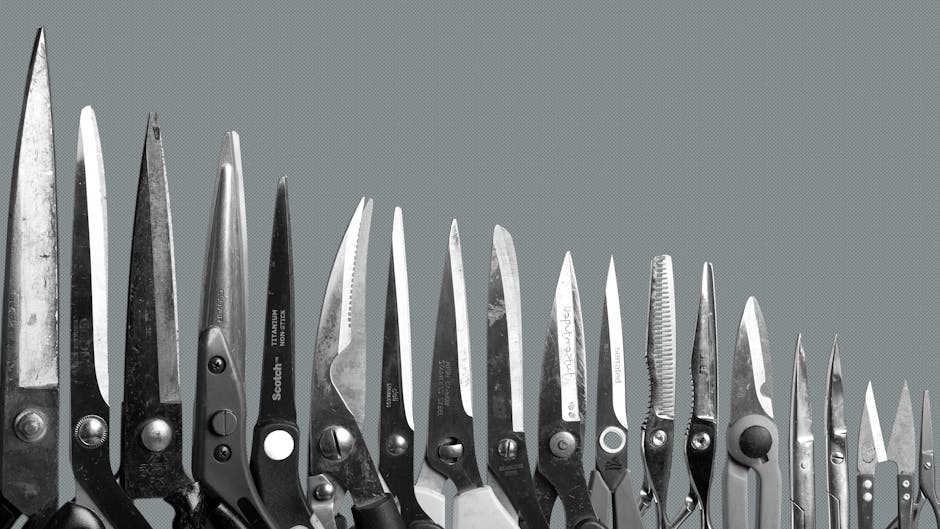
Detailed Breakdown of Popular Blade Sizes
This section provides in-depth analyses of frequently used blades – 10‚ 11‚ 12‚ 15‚ 15C‚ 20‚ 21‚ 22‚ and 23 – outlining their unique characteristics and best-suited uses.
Blade Size 10: Characteristics and Uses
The blade size 10 is a small‚ pointed scalpel blade widely recognized for its versatility in dermatological procedures and general surgery. Its design allows for precise incisions‚ making it a favored choice when cosmetic results are paramount. Dermatologists frequently utilize the #10 blade for excisions‚ biopsies‚ and shave removals‚ appreciating its ability to create clean‚ accurate cuts with minimal tissue damage.
This blade’s pointed tip excels in making short‚ precise incisions‚ and is particularly useful in areas requiring delicate work. Surgeons employ the size 10 blade for various procedures‚ including creating small incisions for drainage or accessing deeper tissues. It’s also valuable in plastic surgery for fine adjustments and revisions. The blade’s shape facilitates controlled cutting‚ reducing the risk of unwanted tissue trauma.
Due to its popularity‚ blade size 10 is readily available in sterile‚ individually packaged units‚ ensuring optimal hygiene and safety. Proper handling and disposal are crucial‚ adhering to established medical protocols for sharp instrument management.
Blade Size 11: Characteristics and Uses
The blade size 11 is a pointed scalpel blade‚ similar to the #10‚ but generally shorter and stouter. This distinction makes it exceptionally well-suited for dermatological procedures demanding precise control and minimal tissue disruption. Dermatologists commonly employ the #11 blade for tasks like excising small lesions‚ performing skin biopsies‚ and undertaking precise shave removals where cosmesis is a primary concern.
Its shorter length offers enhanced maneuverability‚ particularly in confined spaces or when working on delicate facial features. Surgeons also utilize the size 11 blade for creating small‚ accurate incisions during various procedures. The blade’s robust construction allows for consistent performance‚ even when encountering slightly denser tissues.
Like other scalpel blades‚ the #11 is typically available in sterile‚ individually wrapped packages to maintain a hygienic environment. Safe handling and appropriate disposal methods‚ following established medical guidelines‚ are essential for preventing injuries;
Blade Size 12: Characteristics and Uses
The scalpel blade size 12 is a uniquely curved blade‚ distinguished by its concave undersurface. This distinct shape makes it particularly valuable in procedures requiring a sweeping cutting motion‚ offering excellent control and visibility within the surgical field. It’s frequently favored in orthopedic surgery for making controlled bone cuts and in podiatry for procedures involving soft tissue release.
The curved design allows surgeons to navigate around anatomical structures with greater ease‚ minimizing the risk of damaging surrounding tissues. Blade #12 is also utilized in certain plastic surgery applications where precise tissue undermining is necessary. Its curvature facilitates creating flaps and releasing tension lines effectively.
Proper technique and a firm grasp are crucial when using a size 12 blade due to its curved profile. Sterile packaging and adherence to safety protocols are paramount for infection control and operator safety.
Blade Size 15: Characteristics and Uses
The size 15 scalpel blade is arguably the most widely used‚ recognized for its versatility and precision. It features a triangular shape with a curved cutting edge‚ making it ideal for a broad spectrum of surgical applications. Dermatologists frequently employ the #15 blade for excisions‚ biopsies‚ and precise incisional work‚ prioritizing cosmetic outcomes with minimal scarring.
Its shape allows for excellent control and maneuverability‚ enabling surgeons to create clean‚ accurate incisions. Beyond dermatology‚ the size 15 blade finds application in general surgery‚ plastic surgery‚ and even veterinary procedures. It’s particularly useful for making short‚ precise cuts where depth control is essential.
The popularity of the #15 blade stems from its ability to balance precision with efficiency‚ making it a staple in many operating rooms and clinics. Sterile handling and proper disposal are crucial.
Blade Size 15C: Characteristics and Uses
The 15C scalpel blade is a variation of the standard #15‚ distinguished by its significantly narrower profile. This modification makes it exceptionally well-suited for procedures demanding intricate and delicate incisions‚ particularly in areas with limited access or where minimizing tissue disruption is paramount. Dermatologists favor the 15C for precise excisions‚ especially when dealing with cosmetically sensitive regions like the face.
Compared to the standard #15‚ the 15C’s reduced width allows for deeper cuts with less spreading of tissue‚ resulting in finer scars. It’s also frequently used in Mohs micrographic surgery‚ where precise removal of thin tissue layers is critical. The blade’s shape facilitates controlled cutting along curved surfaces.
While offering enhanced precision‚ the 15C requires a skilled hand due to its delicate nature. Sterile technique and careful handling are essential for optimal results.
Blade Size 20: Characteristics and Uses
The #20 scalpel blade is a large‚ heavy-duty blade characterized by its substantial size and curved cutting edge. This blade is primarily designed for making deep incisions and is frequently employed in surgical procedures requiring significant tissue penetration‚ such as exploratory laparotomies and large wound debridement. Its robust construction allows for efficient cutting through dense tissues.
Unlike smaller‚ more delicate blades‚ the #20 isn’t typically used for cosmetic procedures or fine dissections. Instead‚ it excels in situations where rapid and forceful tissue sectioning is necessary. The curved shape facilitates a sweeping cutting motion‚ making it effective for creating long incisions.
Due to its size and potential for deeper cuts‚ the #20 blade demands careful handling and a firm grasp to maintain control and prevent unintended tissue damage. Sterile scalpel blades are crucial.
Blade Size 21: Characteristics and Uses
The #21 scalpel blade is a robust‚ heavy-duty blade distinguished by its large size and a curved‚ pointed tip. It’s a versatile tool favored in surgical settings demanding deep and substantial tissue incisions. Commonly utilized in procedures like rib resections‚ tendon releases‚ and extensive soft tissue dissections‚ the #21 offers significant cutting power.

Its curved design allows surgeons to create sweeping incisions with relative ease‚ making it particularly useful for accessing deeper anatomical structures. The blade’s strength enables it to effectively penetrate dense tissues that might resist smaller‚ more delicate blades. However‚ this power necessitates careful control to avoid unintended damage.
Sterile scalpel blades are paramount when using a #21. While not ideal for superficial or cosmetic work‚ the #21 remains a staple in many surgical specialties requiring substantial tissue removal or access.
Blade Size 22: Characteristics and Uses
The #22 scalpel blade is a large‚ heavy-duty blade characterized by its curved shape and substantial size‚ resembling a miniature hook. It’s primarily employed in orthopedic procedures‚ specifically bone resection and periosteal elevation. Surgeons frequently utilize it during joint replacement surgeries and fracture treatments‚ where robust cutting power is essential.
Its curved geometry allows for efficient removal of bone and tissue along curved surfaces‚ providing excellent control during dissections. The #22’s strength enables it to navigate dense bone structures with relative ease‚ minimizing the need for excessive force. However‚ its size and aggressive cutting edge demand precise handling to prevent accidental injury.
Maintaining sterile scalpel blades is crucial when using a #22. While not suited for delicate procedures‚ the #22 remains a vital instrument in orthopedic and reconstructive surgeries requiring significant bone manipulation.
Blade Size 23: Characteristics and Uses
The #23 scalpel blade is another large‚ heavy-duty option‚ distinguished by its triangular shape and robust construction. Similar to the #22‚ it’s frequently utilized in orthopedic surgery‚ particularly for demanding bone resection tasks and creating large skin flaps. Its design excels at efficiently removing substantial amounts of tissue or bone.

The triangular shape provides a strong‚ stable cutting edge‚ ideal for controlled‚ deep incisions. Surgeons often employ the #23 during procedures like tumor excisions‚ where precise and aggressive tissue removal is necessary. It’s also valuable in creating access for implant placement and performing extensive dissections.
Due to its size and power‚ the #23 requires experienced handling and strict adherence to safety protocols. Maintaining a sterile blade is paramount. While not ideal for delicate work‚ the #23 remains a cornerstone instrument for orthopedic and reconstructive procedures demanding significant tissue or bone removal.

Specialty Scalpel Blades
Beyond standard blades‚ stitch cutters efficiently remove sutures‚ while fiber optic blades enhance visibility during delicate procedures‚ offering specialized functionality for surgeons.
Stitch Cutter Blades: Types and Applications
Stitch cutter blades represent a specialized category within surgical instrumentation‚ designed specifically for the safe and efficient removal of sutures. Unlike standard scalpel blades focused on tissue incision‚ these blades prioritize precision and minimizing trauma to surrounding tissues during suture extraction. They typically feature a curved or hooked cutting edge‚ allowing surgeons to easily slip the blade under the suture material and cleanly sever it.
Several types of stitch cutter blades are available‚ often categorized by their blade shape and handle configuration. Common variations include those with a single cutting edge‚ ideal for straightforward suture removal‚ and those with a double cutting edge‚ offering increased versatility for complex suture patterns. The handles can range from standard scalpel handles to specialized designs providing enhanced grip and control.
Applications for stitch cutter blades are widespread across various surgical specialties. They are routinely used in wound closure follow-up‚ post-operative care‚ and emergency situations requiring rapid suture removal. Dermatologists‚ plastic surgeons‚ and general surgeons frequently employ these blades for their precision and ability to avoid damaging delicate skin or tissues. Proper handling and disposal of stitch cutter blades‚ adhering to strict sterilization protocols‚ are crucial for patient safety and infection control.
Fiber Optic Scalpel Blades: Overview
Fiber optic scalpel blades represent a significant advancement in surgical technology‚ integrating illumination directly into the blade itself. This innovative design enhances visibility within the surgical field‚ particularly in areas with limited access or poor lighting conditions. A fiber optic cable runs through the blade’s shank‚ transmitting light from an external source to the cutting edge‚ effectively illuminating the incision site in real-time.
These blades are commonly available in both Macintosh and Miller configurations‚ catering to diverse surgical needs and preferences. Handles are offered in small and medium sizes to ensure a comfortable and secure grip for surgeons. The integration of fiber optics allows for more precise incisions‚ reduced tissue trauma‚ and improved surgical outcomes.

Applications for fiber optic blades extend across numerous specialties‚ including neurosurgery‚ otolaryngology‚ and plastic surgery. They are particularly valuable in minimally invasive procedures where visualization is paramount. Manufacturers produce complete ranges of these blades‚ ensuring compatibility with standard scalpel handles and meeting stringent quality standards. Proper maintenance and sterilization are essential for optimal performance and patient safety.

Scalpel Blade Materials and Quality
Scalpel blades are primarily crafted from stainless steel‚ prized for its durability‚ corrosion resistance‚ and ability to maintain a sharp edge. Sterile options are crucial for infection control.
Stainless Steel Scalpel Blades: Properties
Stainless steel is the predominant material in scalpel blade manufacturing due to its exceptional combination of properties. These blades exhibit high hardness‚ enabling them to maintain a remarkably sharp cutting edge even with repeated use. Crucially‚ stainless steel demonstrates excellent corrosion resistance‚ preventing rust and degradation that could compromise sterility and performance.
Different grades of stainless steel are employed‚ each offering a specific balance of characteristics. The composition typically includes chromium‚ which forms a passive layer protecting against oxidation‚ and varying amounts of carbon to influence hardness.
Furthermore‚ stainless steel blades are biocompatible‚ minimizing adverse reactions within the body. They can withstand sterilization processes‚ including autoclaving‚ without significant damage or loss of integrity. The material’s resilience also contributes to blade longevity‚ reducing the frequency of replacements and associated costs.

Ultimately‚ the inherent qualities of stainless steel make it an ideal choice for surgical instruments demanding precision‚ reliability‚ and safety.
Sterile Scalpel Blades: Importance of Sterilization
Maintaining strict sterility of scalpel blades is paramount in preventing surgical site infections (SSIs)‚ a significant concern in healthcare. Any breach in sterility introduces microorganisms – bacteria‚ viruses‚ or fungi – directly into the patient’s tissues‚ potentially leading to localized or systemic infections. These infections can drastically increase morbidity‚ prolong hospital stays‚ and even result in life-threatening complications.
Sterilization processes‚ such as autoclaving utilizing high-pressure steam‚ effectively eliminate all viable microorganisms. Single-use‚ pre-sterilized blades are increasingly favored to minimize the risk of contamination during handling and reprocessing.
Proper handling techniques are also crucial; blades should be removed from sterile packaging aseptically and never touched with ungloved hands. Damaged or compromised packaging indicates a potential loss of sterility‚ rendering the blade unusable.
Adherence to rigorous sterilization protocols and aseptic techniques is‚ therefore‚ non-negotiable for patient safety and optimal surgical outcomes.

Choosing the Right Scalpel Blade
Selecting the ideal blade depends on the procedure. Dermatological needs favor 10‚ 11‚ and 15 blades for precision‚ while general surgery requires varied sizes for diverse incisions.
Considerations for Dermatological Procedures
Dermatological procedures prioritize precision and cosmetic outcomes‚ making blade selection crucial. Blades 10‚ 11‚ and 15 are frequently employed due to their ability to create accurate incisions while minimizing scarring – a paramount concern for dermatologists. The choice often hinges on the specific technique and tissue type involved.
Blade 15‚ particularly popular worldwide‚ excels in excisions requiring a controlled depth and clean edge. Its curved shape facilitates precise maneuvering. Blades 10 and 11‚ offering different angles and curves‚ are valuable for biopsies and smaller excisions where a delicate touch is essential.
Cosmetic considerations dictate a focus on minimizing trauma and promoting optimal wound healing. Therefore‚ sharpness and the ability to deliver a smooth‚ consistent cut are vital. The surgeon’s experience and preference also play a role in determining the most suitable blade for each unique case‚ ensuring both functional and aesthetic success.
Considerations for General Surgical Procedures
General surgery demands a broader range of blade sizes to accommodate diverse tissue types and incision depths. While blades 10‚ 11‚ 15‚ and 20 are commonly utilized‚ the optimal choice depends heavily on the surgical specialty and the procedure’s specific requirements. Larger blades‚ like 20 and 23‚ are often preferred for deeper incisions and dissecting denser tissues.
Blade 20‚ for instance‚ is suitable for creating substantial skin incisions‚ while smaller blades excel in more delicate procedures. The surgeon must consider factors like tissue resistance‚ desired incision length‚ and the need for precise control. A robust‚ durable blade is essential for maintaining sharpness throughout prolonged procedures.
Furthermore‚ the availability of specialized blades‚ such as stitch cutters‚ can streamline certain surgical steps. Careful assessment of the surgical field and anticipated challenges is paramount in selecting the appropriate blade to ensure efficiency and patient safety.
Scalpel Blade Size Chart Reference
Below is a simplified reference chart outlining common scalpel blade sizes and their typical applications. Please note this is a general guide; individual surgeon preference and procedural nuances may dictate alternative choices. Blade size 10 is frequently used for biopsies and precise incisions‚ while size 11 excels in similar applications requiring a pointed tip.
Blade 12 is often favored for its curved shape‚ ideal for creating short‚ precise incisions. Sizes 15 and 15C are versatile‚ commonly employed in dermatology and general surgery. Larger blades‚ such as 20‚ 21‚ and 23‚ are suited for deeper dissections and larger incisions.
Blade Size | Typical Use
10 | Biopsies‚ precise incisions
11 | Similar to 10‚ pointed tip
15 | Dermatology‚ general surgery
20 | Large incisions‚ deep dissection
Always consult detailed product specifications and surgical guidelines for optimal blade selection.
Safety Precautions When Handling Scalpel Blades
Handling scalpel blades demands strict adherence to safety protocols to prevent accidental injuries and maintain a sterile environment. Always treat every blade as if it’s actively contaminated‚ regardless of sterilization status. Utilize appropriate safety devices‚ such as blade removal tools‚ to avoid direct contact with sharp edges.
Never attempt to recap a used scalpel blade; this significantly increases the risk of needlestick injuries. Dispose of used blades immediately in designated sharps containers – puncture-resistant‚ leak-proof‚ and clearly labeled. Ensure sharps containers are readily accessible and never overfilled.
Always wear appropriate personal protective equipment (PPE)‚ including gloves and eye protection. Proper training on scalpel handling and disposal is crucial for all personnel. Report any accidental cuts or exposures immediately for appropriate medical evaluation and follow-up. Maintaining vigilance is paramount when working with these instruments.